Understanding High-Yield Savings Accounts
In today’s fast-paced financial environment, finding the right savings strategy is crucial for professionals aiming to maximize their financial growth. High-yield savings accounts have emerged as an attractive option, offering enhanced interest rates compared to traditional savings accounts. In this article, we delve into what high-yield savings accounts are, why they are significant, and how they can benefit you.
Table of Contents
- What Is It?
- Why It Matters
- Key Features
- Types
- How It Works
- Examples
- Advantages
- Disadvantages
- Common Mistakes
- Frequently Asked Questions
- Summary
- Educational Disclaimer
What Is It?
High-yield savings accounts are a type of savings account that offers a higher interest rate than traditional savings accounts. They are typically offered by online banks and credit unions, which can afford to offer better rates due to reduced overhead costs. These accounts are designed for individuals looking to earn more on their savings without the complexity of investments.
Why It Matters
The primary advantage of high-yield savings accounts lies in their potential to earn more interest over time, aiding in achieving financial goals faster. This makes them an essential tool for those looking to enhance their savings strategy without taking on additional risk. In a world where inflation can erode purchasing power, having a savings account that offers competitive interest rates can help preserve and grow your wealth.
Key Features
- Higher Interest Rates: Typically offer rates significantly above the national average for savings accounts, making them attractive to savers.
- Low Minimum Balance Requirements: Many accounts do not require a large initial deposit, making them accessible to a broader range of people.
- FDIC Insurance: They are insured by the Federal Deposit Insurance Corporation up to applicable limits, providing peace of mind.
- Easy Access: Money can often be accessed online, via mobile apps, or through ATMs, offering convenience and flexibility.
Types
There are generally two main types of high-yield savings accounts:
- Online High-Yield Savings Accounts: Offered by online banks, these often provide the highest interest rates due to lower overhead costs. They are ideal for tech-savvy individuals who prefer managing their finances digitally.
- Credit Union High-Yield Savings Accounts: Available to members of credit unions, these may offer competitive rates and member-focused services. Credit unions are known for their personalized customer service.
How It Works
High-yield savings accounts work much like traditional savings accounts but with higher interest rates. When you deposit money into the account, the bank pays you interest, typically monthly, on your balance. The interest compounds, meaning you earn interest on both your initial deposit and any interest already earned over time. This compounding effect can significantly boost your savings over the years.
Examples
Here are a few examples of institutions offering high-yield savings accounts:
- Ally Bank: Known for competitive rates and robust online banking tools that make managing your account easy.
- Discover Bank: Offers high rates with no account fees, making it a cost-effective choice for savers.
- Capital One 360: Provides a straightforward savings account with attractive interest rates and user-friendly online management.
Advantages
- Increased Earning Potential: Higher interest rates mean more growth over time, allowing your savings to work harder for you.
- Safety and Security: FDIC insurance protects your deposits up to applicable limits, ensuring your money is safe.
- Flexibility: Easy access to funds compared to other long-term investment options, offering liquidity when needed.
Disadvantages
- Interest Rate Fluctuations: Rates can change over time, affecting earnings. It’s important to monitor rates regularly to ensure your account remains competitive.
- Limited Transactions: Some accounts may limit the number of withdrawals or transfers per month, which can be restrictive for those needing frequent access to their funds.
Common Mistakes
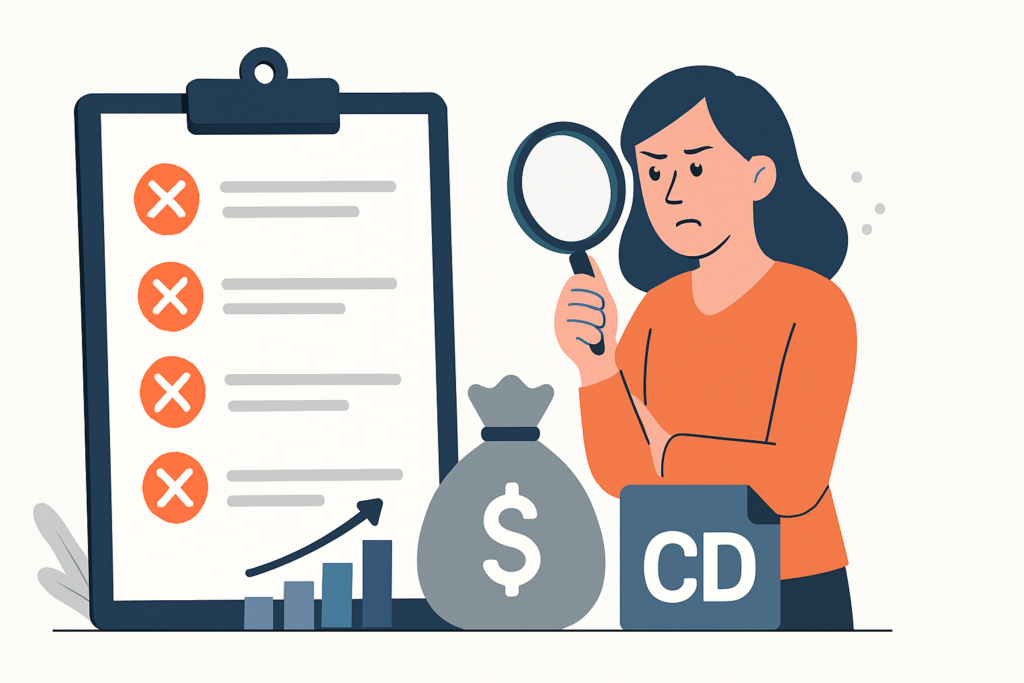
- Ignoring Fees: Overlooking potential maintenance fees or withdrawal penalties can reduce overall earnings. Always read the fine print before opening an account.
- Not Comparing Rates: Failing to shop around for the best rates can lead to lost earning potential. Regularly compare offers from different banks to ensure you’re getting the best deal.
- Neglecting Terms and Conditions: Not understanding the account’s terms can result in unexpected restrictions or charges. Always familiarize yourself with the account’s policies.
Frequently Asked Questions
What differentiates a high-yield savings account from a regular savings account?
High-yield savings accounts offer higher interest rates, resulting in greater earning potential over time compared to regular savings accounts. They are an excellent choice for those looking to maximize their savings without the risks associated with investments.
Are there any risks associated with high-yield savings accounts?
While generally low-risk, the primary concern is potential fluctuations in interest rates, which can affect earnings. However, deposits are typically insured by the FDIC, ensuring the safety of your funds.
Can I access my money anytime?
Yes, you can access your funds, but there may be limitations on the number of transactions you can make each month without incurring fees. It’s important to be aware of these restrictions to avoid unnecessary charges.
How do online banks offer higher interest rates?
Online banks often have lower overhead costs compared to traditional banks, allowing them to offer higher interest rates on savings accounts. This makes them a popular choice for individuals seeking better returns on their savings.
Summary
High-yield savings accounts are an excellent option for those seeking to maximize their savings with minimal risk. By offering higher interest rates, these accounts help grow your savings faster than traditional accounts. However, it is important to consider factors such as fees, transaction limits, and fluctuating rates when choosing the right account for your needs. Regularly reviewing your account’s terms and staying informed about rate changes can help you make the most of your high-yield savings account.
Educational Disclaimer
This article is for educational and informational purposes only and does not constitute professional advice. Always consult with a financial advisor to determine the best savings strategy for your individual needs.