Opening Overview
In an ever-evolving financial landscape, finding the right tools to grow your savings is crucial. High-yield savings accounts stand out as an attractive option, offering potentially higher interest rates than traditional savings accounts. This article will delve into what high-yield savings accounts are, their key features, and why they might be a smart choice for your savings strategy.
Table of Contents
- What Is It
- Why It Matters
- Key Features
- Types
- How It Works
- Examples
- Advantages
- Disadvantages
- Common Mistakes
- Frequently Asked Questions
- Summary
- Additional Tips
- Educational Disclaimer
What Is It
A high-yield savings account is a type of savings account that offers a significantly higher interest rate compared to a conventional savings account. These accounts are often offered by online banks or credit unions and are designed to help savers earn more on their deposits.
Why It Matters
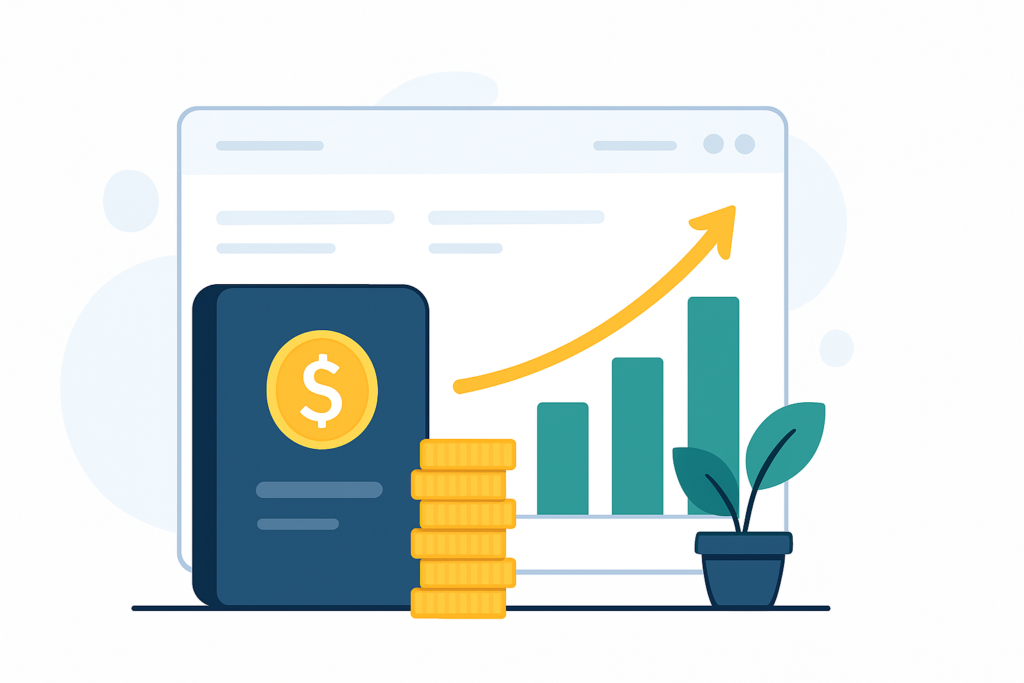
The primary reason high-yield savings accounts matter is the potential for higher interest earnings. In a low-interest rate environment, taking advantage of even a slightly higher rate can lead to meaningful increases in your savings over time. This is particularly beneficial for those looking to maximize their savings without taking on the risk associated with other investment vehicles.
Key Features
- Higher Interest Rates: Generally, these accounts offer rates that are much higher than the national average for savings accounts.
- FDIC Insurance: Just like traditional savings accounts, high-yield accounts are insured by the FDIC up to $250,000 per depositor, per bank.
- Accessibility: Most accounts provide flexibility with online access, allowing for easy transfers and management.
- Minimum Balance Requirements: Some accounts may require a minimum balance to earn the advertised high yield.
Types
High-yield savings accounts can be classified into several types based on their terms and conditions:
- Online High-Yield Savings Accounts: Offered by online banks, often with no monthly fees and competitive rates.
- Promotional Accounts: Some banks offer promotional rates for a limited time to attract new customers, requiring careful attention to terms.
- Tiered Accounts: Interest rates that vary based on the balance in the account, incentivizing higher balances.
How It Works
High-yield savings accounts operate similarly to traditional savings accounts. You deposit money into the account, and the bank pays interest on that balance. The interest is typically compounded daily or monthly and paid out monthly. To access the funds, you can transfer money electronically to a linked checking account or use other withdrawal methods provided by the bank.
Examples
Several financial institutions in the U.S., U.K., and Canada offer high-yield savings accounts. For instance, in the U.S., banks like Ally Bank and Marcus by Goldman Sachs are known for their competitive rates. In the UK, institutions like Nationwide Building Society offer attractive savings options, while in Canada, Simplii Financial and Tangerine are popular choices.
Advantages
- Higher Returns: Significantly better interest rates compared to standard savings accounts.
- Security: FDIC or equivalent insurance protects your deposits.
- Flexibility: Easy to set up and manage, especially with online banking.
Disadvantages
- Interest Rate Fluctuations: Rates can change, impacting your returns.
- Limited Transactions: Some accounts limit the number of withdrawals you can make per month.
- Fee Structures: Some accounts might have fees that can diminish the benefits of high interest.
Common Mistakes
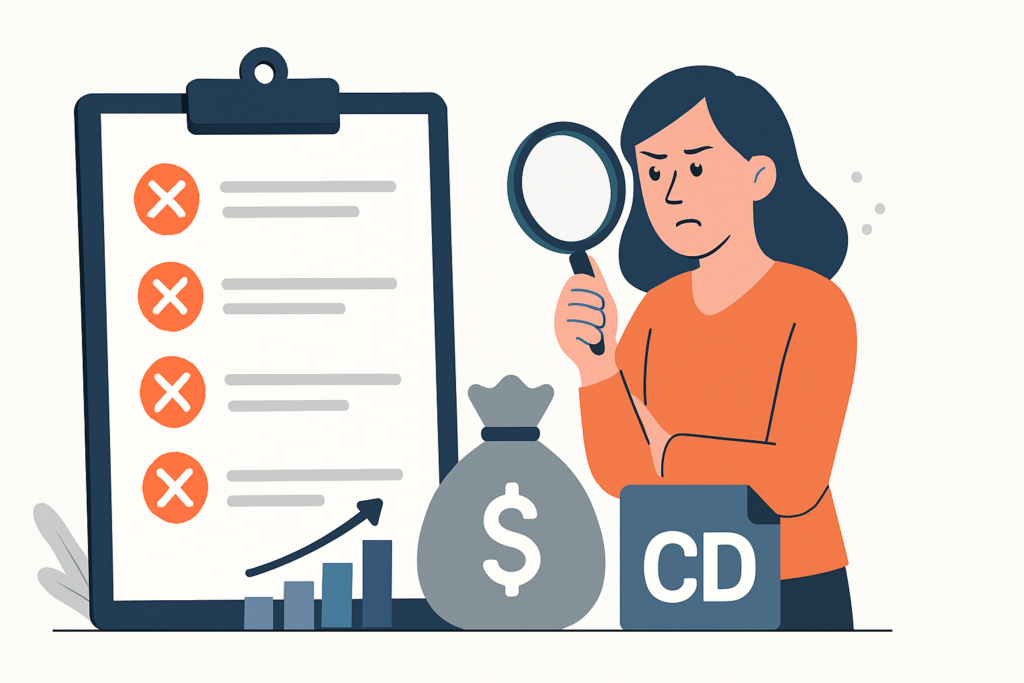
- Ignoring Fees: Failing to pay attention to account fees can negate the benefits of higher interest earnings.
- Not Monitoring Rates: Interest rates can change, so it’s important to regularly review the rates offered by your account.
- Minimum Balance Oversights: Not maintaining the minimum balance required can result in loss of high interest benefits.
Frequently Asked Questions
What is the minimum deposit for a high-yield savings account?
Minimum deposit requirements vary by bank. Some accounts have no minimum, while others may require a higher amount to open or to earn the best interest rates.
Are high-yield savings accounts safe?
Yes, they are generally safe and are insured by the FDIC in the U.S., or the equivalent in other countries, up to the standard limits.
Can I lose money in a high-yield savings account?
As long as the bank is insured and your balance does not exceed the insurance limit, your principal is safe. However, inflation can erode the purchasing power of your savings over time.
How do I open a high-yield savings account?
You can open an account online through a bank’s website. The process usually involves providing personal information and funding the account with an initial deposit.
Summary
High-yield savings accounts are a strategic choice for those looking to maximize their savings without taking on significant risk. With higher interest rates, security, and easy access, these accounts can play a vital role in a well-rounded financial plan. However, it’s important to be aware of fees, rate changes, and terms that could affect your earnings. Regularly reviewing your account’s features and the market offerings can help ensure you are getting the most out of your high-yield savings account.
Additional Tips
When considering a high-yield savings account, it can be beneficial to compare multiple institutions to find the best rates and terms. Additionally, automating your savings by setting up regular transfers from your checking account can help grow your balance steadily. Staying informed about economic trends can also provide insights into how interest rates may shift, allowing you to make informed decisions about when to deposit or withdraw funds. Lastly, consider the reputation of the bank or credit union offering the account, ensuring they have a solid track record of customer service and financial stability. Also, take into account any special promotions that might be available, as these can sometimes provide an extra boost to your savings initially.
Educational Disclaimer
This article is for educational and informational purposes only and does not constitute professional advice.